Quick Answer
Procrastination isn’t a sign of laziness—it usually happens when tasks feel overwhelming, unclear, or emotionally difficult to start. The most effective way to stop procrastinating is to break work into smaller steps, remove distractions, plan your day in advance, and take immediate action without waiting for motivation. Small, consistent actions build momentum and make it easier to get things done every day.
AI Overview Summary
To stop procrastinating, focus on starting instead of finishing. Break large tasks into smaller actions, use simple techniques like the five-minute rule, reduce distractions, and plan your priorities before the day begins. Consistent action creates momentum, making it easier to stay productive without relying on motivation alone.
Is This You?
If any of these situations sound familiar, you’re probably dealing with procrastination rather than a lack of ability.
- You keep putting off important tasks until the last minute.
- You spend more time preparing than actually working.
- You wait until you “feel motivated” before getting started.
- Small distractions quickly pull your attention away.
- You often end the day feeling guilty about what you didn’t finish.
The good news is that procrastination is a habit—not a personality trait. Like any habit, it can be changed with the right approach.
At a Glance
| Best For | Students, professionals, freelancers, remote workers |
|---|---|
| Time Needed | 5–10 minutes to plan |
| Difficulty | Easy |
| Main Benefit | Better focus and less procrastination |
| Works Well With | Morning routines, daily planning, and simple systems |
Procrastination is something almost everyone struggles with. You plan your day, create a to-do list, and still find yourself delaying important tasks. Instead of being productive, time slips away—leaving you stressed, guilty, and overwhelmed.
The good news? Procrastination isn’t laziness. It’s a habit—and habits can be changed. In this guide, you’ll learn practical, simple ways to stop procrastinating and start getting things done every single day.
Why Procrastination Feels So Hard to Beat
Many people believe procrastination happens because they aren’t disciplined enough. In reality, procrastination is often your brain’s way of avoiding discomfort.
When a task feels too big, confusing, boring, or stressful, your brain naturally looks for something easier to do instead—like checking your phone, replying to emails, or organizing your workspace.
The goal isn’t to force yourself to work harder. It’s to make starting feel easier.
Once you begin, continuing usually becomes much less difficult.
Why Do We Procrastinate?
Before fixing the problem, it helps to understand it.
Common reasons people procrastinate include:
- Feeling overwhelmed by big tasks
- Fear of failure or perfectionism
- Lack of clear priorities
- Low energy or mental fatigue
- Distractions like phones and social media
Once you recognize why you procrastinate, it becomes much easier to take control.
The Smart Action Loop
Instead of waiting for motivation, follow this simple four-step process whenever you feel stuck.
| Step | Action |
|---|---|
| Clarify | Decide the very next action. |
| Start | Work for just five minutes. |
| Continue | Keep going while you have momentum. |
| Review | Celebrate progress and prepare the next step. |
The Smart Action Loop helps you focus on taking action instead of worrying about the entire project.
Small actions repeated consistently create lasting productivity.
1. Break Tasks Into Small, Clear Steps
Large tasks feel intimidating. When something feels too big, your brain avoids it.
Instead of writing:
- “Work on blog”
Try:
- Write the introduction
- Add headings
- Write first 300 words
Small steps feel manageable and reduce resistance.
👉 Tip: If a task takes less than 10 minutes, do it immediately.
2. Use the “5-Minute Rule”
This is one of the simplest and most effective techniques.
Tell yourself:
“I’ll work on this for just 5 minutes.”
Most of the time, starting is the hardest part. Once you begin, momentum kicks in—and you’ll likely continue longer.
This trick works especially well for tasks you’ve been avoiding.
3. Plan Your Day the Night Before
Procrastination often happens when you don’t know what to do next.
Each evening:
- Write down 3–5 important tasks for tomorrow
- Choose one priority task
- Decide when you’ll work on it
Waking up with a plan removes decision fatigue and keeps you focused.
How to Plan Your Day Effectively Without Feeling Stressed
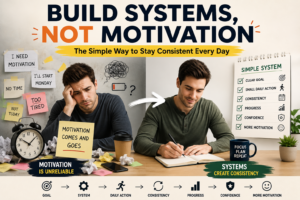
4. Stop Waiting for Motivation
Motivation comes after action—not before it.
If you wait until you “feel like it,” you’ll stay stuck. Discipline beats motivation every time.
Focus on:
- Showing up consistently
- Taking imperfect action
- Progress, not perfection
Action creates motivation—not the other way around.
5. Eliminate Distractions From Your Environment
Your surroundings strongly affect your behavior.
Simple fixes:
- Keep your phone in another room
- Turn off non-essential notifications
- Use website blockers during work sessions
- Clean your workspace
The fewer distractions around you, the easier it is to stay focused.
SmartHelpHub Tip
If you’re tempted to procrastinate, make the first step so small that it feels almost impossible to avoid.
Instead of telling yourself to “write the report,” tell yourself to write the first sentence.
Instead of cleaning the entire house, start by clearing one surface.
Reducing the size of the first step often removes the biggest barrier to getting started.
6. Work With Your Energy, Not Against It
Everyone has peak productivity times.
Ask yourself:
- When do I feel most focused—morning or afternoon?
- When do I feel tired or distracted?
Schedule important tasks during high-energy hours and save lighter tasks for later.
How to Build a Simple Morning Routine That Actually Works
7. Use a Simple Daily To-Do List
An overloaded to-do list leads to avoidance.
Best practices:
- Limit your list to 5–7 tasks
- Highlight 1–2 priorities
- Avoid unrealistic goals
A realistic list builds confidence and consistency.
How to Create a Daily To-Do List That You’ll Actually Follow
8. Reward Progress, Not Just Completion
Waiting until everything is done can be discouraging.
Instead:
- Take short breaks after focused work
- Celebrate small wins
- Track progress visually (checklists, habit trackers)
Progress feels motivating—and motivation reduces procrastination.
9. Be Kind to Yourself
Harsh self-criticism increases stress and avoidance.
If you procrastinate:
- Acknowledge it without guilt
- Refocus on the next small step
- Move forward
Consistency matters more than perfection.
Real-Life Example
Daniel often postponed important work until deadlines were only a day away. He believed he worked better under pressure, but the constant stress left him feeling exhausted.
Instead of trying to become instantly more disciplined, he made one small change. Every morning, he committed to working on his most important task for just five minutes before checking email or social media.
Most days, those five minutes turned into much longer work sessions.
Within a few weeks, he noticed he was completing projects earlier and feeling far less stressed.
The biggest improvement came from starting consistently—not from working harder.
30-Day Anti-Procrastination Challenge
Changing habits takes practice. Instead of trying to eliminate procrastination overnight, focus on one small improvement each week.
Week 1: Start every important task using the five-minute rule.
Week 2: Plan tomorrow’s priorities before going to bed.
Week 3: Remove one major distraction during focused work sessions.
Week 4: Review your progress and continue the habits that helped you stay consistent.
By the end of the month, you’ll have a simple productivity system that’s much easier to maintain than relying on motivation alone.
Key Takeaways
- Procrastination is usually caused by overwhelm, not laziness.
- Break large tasks into smaller actions before starting.
- Take action before waiting for motivation.
- Reduce distractions that make avoidance easier.
- Small daily habits build long-term consistency.
Final Thoughts
Stopping procrastination isn’t about willpower—it’s about systems, clarity, and small actions.
Start with:
- One task
- One step
- One focused session
Over time, these small changes lead to massive improvements in productivity and peace of mind.
❓ Frequently Asked Questions
1. How can I stop procrastinating and get things done every day?
You can stop procrastinating by breaking tasks into smaller steps, starting with simple actions, and creating a daily plan. Taking consistent small actions helps build momentum and improve productivity.
2. Why do I procrastinate even when I have important work?
Procrastination often happens due to overwhelm, lack of clarity, or fear of failure. When tasks feel too big or unclear, your brain avoids them, leading to delays.
3. What is the 2-minute rule for procrastination?
The 2-minute rule means starting a task with a very small action that takes less than two minutes. This makes it easier to begin, and once you start, you’re more likely to continue.
4. How can I stay consistent and avoid procrastination daily?
You can stay consistent by setting clear goals, following a routine, and prioritizing your most important tasks. Consistency comes from building simple habits and repeating them daily.
5. Does breaking tasks into smaller steps help with procrastination?
Yes, breaking tasks into smaller steps makes them easier to manage and less overwhelming, which helps you take action faster.
6. What is the best time management method to stop procrastination?
Techniques like time-blocking and the Pomodoro technique are effective. They help you focus on one task at a time and reduce distractions, improving productivity.
7. How long does it take to overcome procrastination?
You may see small improvements within a few days, but building consistent habits to overcome procrastination can take a few weeks.
8. Can procrastination ever be a sign of burnout?
Yes. Sometimes procrastination is caused by mental exhaustion rather than poor time management. If even simple tasks feel difficult to start, it may help to prioritize rest, reduce unnecessary commitments, and rebuild your routine with small, manageable habits before increasing your workload.