Introduction
Do you ever feel mentally exhausted even when you haven’t done much physically?
Sometimes the problem is not your workload. It’s the constant digital stimulation surrounding you all day.
Notifications, endless scrolling, emails, short videos, messages, news updates, and social media can quietly overload your brain without you realizing it. Even when you’re relaxing, your mind may still be processing too much information.
This is called digital overload.
Over time, too much screen exposure can leave you feeling distracted, mentally drained, emotionally tired, and unable to focus properly.
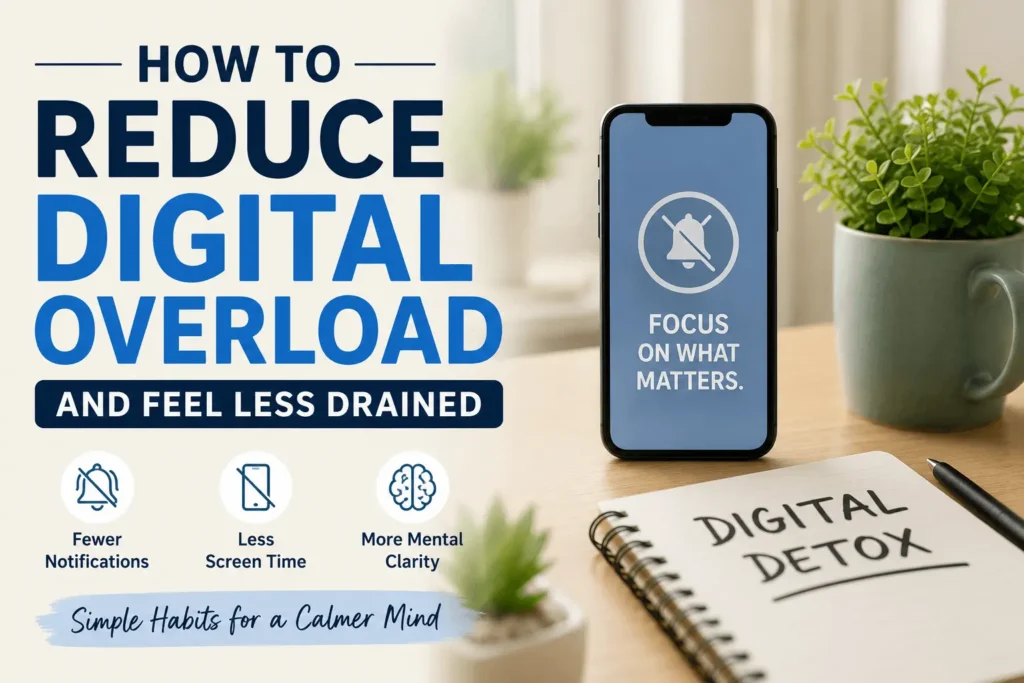
The good news is that you do not need to completely disconnect from technology to feel better. Small changes in your digital habits can reduce mental fatigue and help your mind feel calmer, clearer, and more balanced.
In this guide, you’ll learn practical ways to reduce digital overload and create healthier daily technology habits without making your life complicated.
What Is Digital Overload?
Digital overload happens when your brain receives more digital stimulation than it can comfortably process.
This can include:
- constant notifications
- excessive screen time
- endless scrolling
- switching between apps
- too much online information
- multitasking across devices
- frequent interruptions
Your brain never gets enough quiet time to mentally recover.
Unlike physical tiredness, digital overload often feels like:
- mental fog
- difficulty concentrating
- irritability
- emotional exhaustion
- reduced motivation
- shorter attention span
- feeling mentally “full”
Many people experience these symptoms daily without realizing technology habits may be contributing to them.
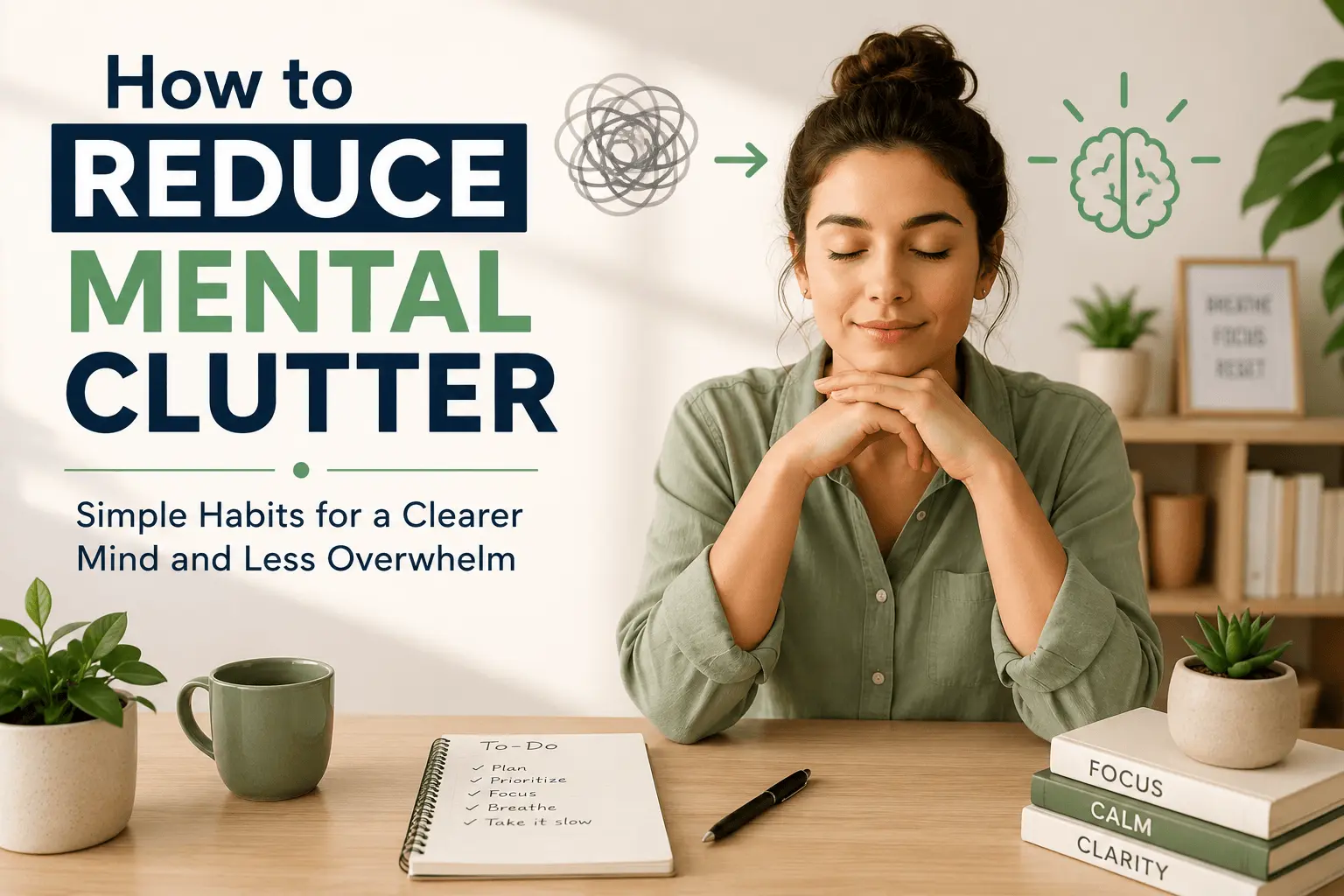
Digital overload often creates constant mental clutter, making it harder to focus and think clearly.
Signs You May Be Experiencing Digital Overload
Here are some common signs your brain may be overstimulated by screens and digital activity:
You Feel Mentally Tired After Scrolling
You pick up your phone for a few minutes, but afterward you feel even more exhausted instead of relaxed.
Your Attention Span Feels Shorter
You constantly switch between apps, tabs, videos, or tasks without staying focused for long.
Notifications Instantly Distract You
Even small alerts interrupt your thinking and make it difficult to concentrate deeply.
You Feel Overwhelmed by Information
Too many articles, videos, opinions, and updates can make your brain feel overloaded.
You Struggle to Relax Without Your Phone
Quiet moments may feel uncomfortable because your brain has become used to constant stimulation.
Why Digital Overload Feels So Mentally Draining
Your brain was not designed to process endless information all day without rest.
Every notification, message, or new piece of content pulls your attention in a different direction. This constant switching uses mental energy.
Over time, your brain stays in a state of continuous stimulation instead of recovery.
This can affect:
- focus
- sleep quality
- emotional balance
- productivity
- stress levels
- decision-making ability
The problem is not technology itself. The problem is having no boundaries with it.
1. Reduce Unnecessary Notifications
Most notifications are not truly urgent.
Constant alerts train your brain to stay reactive all day long.
Start by turning off:
- social media notifications
- shopping app alerts
- unnecessary email notifications
- news alerts
- promotional messages
Keep only the notifications that genuinely matter.
Many people notice improved focus and lower stress almost immediately after reducing notification interruptions.
2. Stop Consuming Information Continuously
Your brain needs time to process information, not just absorb more of it.
Avoid:
- constantly checking news
- watching endless short videos
- jumping between multiple apps
- consuming content all day without breaks
Try creating intentional “offline moments” during the day where your brain is not receiving new information.
Even short breaks from digital stimulation can help your mind feel lighter.
3. Create Phone-Free Time During the Day
One of the simplest ways to reduce digital overload is to spend small parts of your day away from screens.
Try keeping your phone away:
- during meals
- during walks
- before bed
- while reading
- during conversations
- during focused work sessions
These quiet moments help your brain recover from constant stimulation.
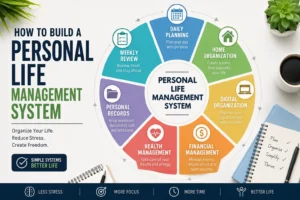
Creating small offline habits can also help you build a better weekly routine with less stress and mental fatigue.
4. Avoid Starting Your Day With Screens
Many people begin their mornings by immediately checking notifications, emails, or social media.
This instantly fills the brain with stress, information, and distractions before the day even begins.
Instead, try spending the first 20–30 minutes of your morning:
- stretching
- journaling
- drinking water
- planning your day
- sitting quietly
- taking a short walk
A calmer morning often creates a calmer mindset throughout the day.
5. Limit Endless Scrolling
Social media platforms are designed to keep your attention for as long as possible.
The problem is that endless scrolling rarely leaves people feeling refreshed.
Instead, it often creates:
- mental fatigue
- comparison stress
- information overload
- reduced focus
Try setting simple boundaries like:
- screen time limits
- specific social media hours
- no-phone evenings
- intentional usage instead of automatic scrolling
The goal is not perfection. The goal is healthier balance.
6. Create a Calmer Digital Environment
Your digital environment affects your mental state more than most people realize.
A cluttered phone or computer can increase mental stress.
Try simplifying:
- your home screen
- unused apps
- browser tabs
- email inbox
- digital files
- notifications
A cleaner digital space often creates a calmer mental space as well.
7. Give Your Brain Quiet Time Again
Many people no longer experience true mental quiet.
There is almost always:
- music
- videos
- podcasts
- scrolling
- messages
- background noise
But your brain needs moments of stillness to mentally recharge.
Try spending a few minutes each day:
- sitting quietly
- walking without your phone
- relaxing without media
- observing your surroundings
- breathing deeply
These simple quiet moments help reduce overstimulation and improve mental clarity.
Quiet moments during the day may also help you stop overthinking at night and improve sleep quality.
Healthy Digital Habits That Feel Sustainable
You do not need a strict digital detox to feel better.
Small consistent habits are usually more realistic and sustainable.
Focus on:
- fewer notifications
- intentional screen use
- healthier boundaries
- regular offline breaks
- calmer mornings
- less multitasking
- more quiet time
Simple digital changes can greatly improve how your mind feels every day.
Final Thoughts
Technology is part of modern life, but constant digital stimulation can quietly drain your mental energy over time.
If you often feel distracted, mentally tired, overwhelmed, or emotionally exhausted, your brain may simply need less digital noise.
The goal is not to completely avoid screens. It is to create healthier habits that protect your focus, energy, and mental well-being.
Even small changes can help you feel calmer, clearer, and less mentally drained throughout the day.
Learning healthier digital habits can help you feel calmer and recharge mentally after stressful days.
FAQ
What is digital overload?
Digital overload happens when your brain receives too much digital stimulation from screens, notifications, social media, and constant information.
Can too much screen time cause mental fatigue?
Yes. Excessive screen exposure and constant digital interruptions can reduce focus and increase mental exhaustion.
How do I reduce digital overload?
You can reduce digital overload by limiting notifications, creating phone-free time, reducing screen distractions, and taking regular breaks from digital stimulation.
What are signs of digital overload?
Common signs include mental fatigue, poor focus, shorter attention span, stress, irritability, and feeling overwhelmed by information.